
Why Refurbished Phones May Be Better Than Cheap Used Phones
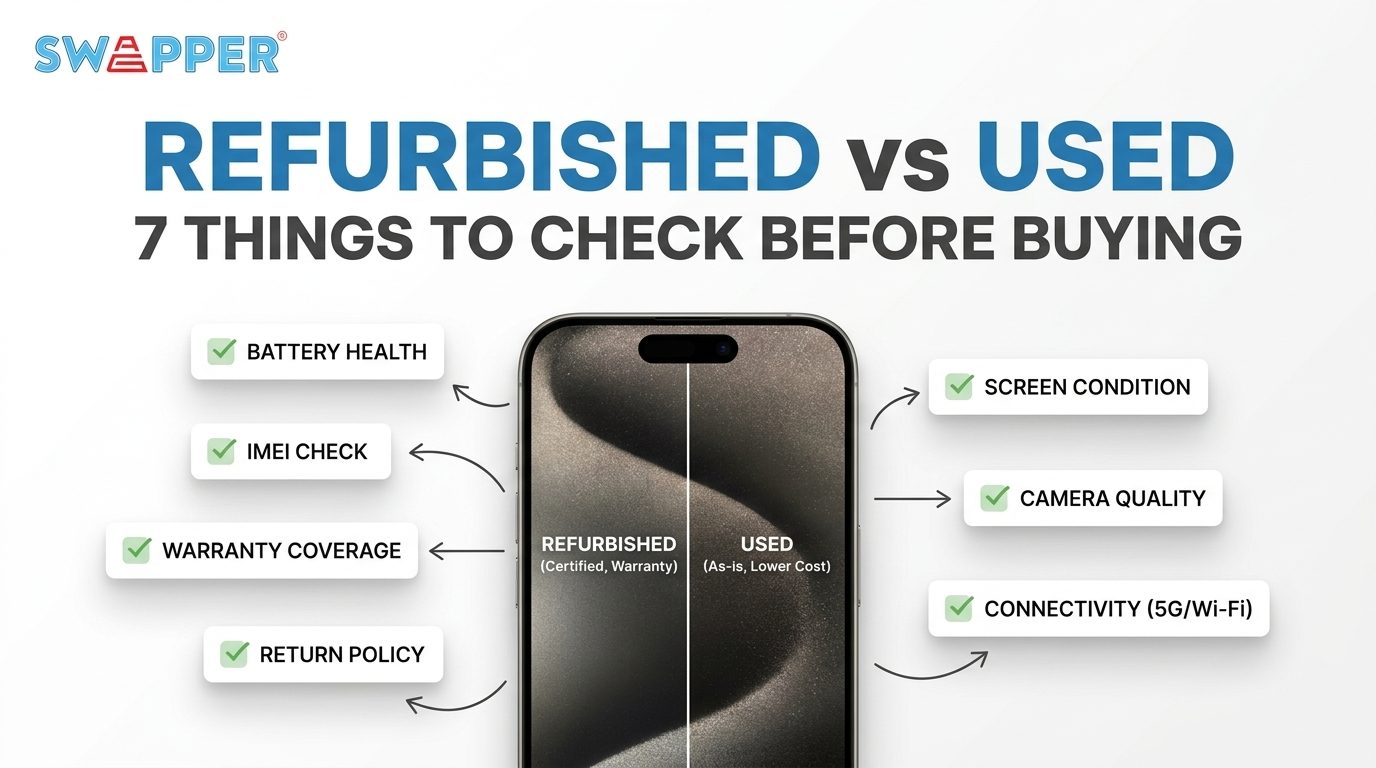
Buying a smartphone no longer means choosing between a brand-new model and an expensive flagship. For buyers looking to save money, refurbished and pre-owned phones can offer access to better hardware at a lower price.
But there is an important difference between a refurbished phone and a cheap used phone.
A used or pre-owned phone generally describes a device that has previously belonged to someone else. A refurbished phone, on the other hand, has usually gone through some form of inspection, testing, cleaning or repair before being offered for resale. However, the word "refurbished" does not guarantee the same process everywhere, so buyers still need to understand what they are actually getting.
If you are comparing refurbished phones vs used phones, the cheapest option is not necessarily the one that gives you the best overall value.
Refurbished vs Used Phones: What Is the Difference?
Compare the key factors before choosing a refurbished or pre-owned smartphone.
What Is the Difference Between a Refurbished and Used Phone?
The biggest difference between refurbished phones vs used phones is what happens to the device before it reaches the next buyer.
A typical used or pre-owned phone may simply be sold in its existing condition. The seller may describe its cosmetic condition and confirm that it works, but the amount of testing performed can vary significantly.
A refurbished phone generally goes through a more structured process. Depending on the seller, this can include inspection, functional testing, cleaning, factory resetting and replacement of worn or defective components. Some refurbishment programs may also replace the battery or other parts.
However, there is no single universal refurbishment standard. A manufacturer-certified refurbished phone and a phone labelled "seller refurbished" can involve very different processes.
That is why you should not judge a phone purely by the word "refurbished". Ask who refurbished it, what was tested, which parts were replaced and what warranty is included.
Want to understand the differences in more detail? Read our guide: Used Phone vs Refurbished Phone: What Should You Buy?
Refurbished Phones May Give You More Confidence
One of the main reasons to consider a refurbished phone is the additional testing that may take place before resale.
When you buy second hand mobile devices directly from individuals, you may only have a short opportunity to inspect the phone before completing the purchase. Even if the exterior looks excellent, problems can exist with the battery, charging port, cameras, speakers, connectivity or software.
A reputable refurbishment process can identify some of these issues before the phone reaches the buyer.
This does not mean every refurbished phone is perfect. The quality depends heavily on who performed the refurbishment and what standards they follow. A third-party seller may use different parts or testing procedures from a manufacturer-certified program.
For this reason, refurbished phones vs used phones should really be viewed as a comparison between different levels of preparation and buyer protection, rather than simply "newer" versus "older".
3. Check Battery Health Before Buying
Battery health is one of the most important things to check when buying a second hand phone.
A phone can look almost new while having a significantly worn battery. This can affect how long the device lasts between charges and may eventually lead to additional replacement costs.
If you are looking to buy second hand iPhone, check the battery information before paying. On an iPhone, battery information can be found under Settings > Battery > Battery Health & Charging.
For Samsung Galaxy devices, battery-related information can be checked through Settings > Battery and Device Care, although the exact information available can vary by model and software version.
Some refurbishment marketplaces set their own minimum battery-health requirements. For example, the source article notes that Back Market uses an 80% battery-health floor for phones sold through its marketplace. That should not be treated as a universal industry standard, however.
When comparing refurbished phones vs used phones, ask whether the battery has been tested, replaced or simply sold in its existing condition.
For a broader look at battery performance across different smartphone brands, read our battery health comparison guide .
Is the Battery Still in Good Condition?
Check the battery-health percentage shown on the phone and use the guide below before completing your purchase.
Enter the battery-health percentage to see how it compares with the scenarios below.
Generally indicates a battery with relatively low capacity loss.
The battery has experienced some wear, but may still be suitable depending on your needs and the phone's price.
Consider possible battery replacement costs before buying.
Important: Battery health is only one part of a phone's condition. Check charging, battery performance and other hardware functions before buying.
4. Warranty Can Make a Big Difference
Price is one reason people consider used phones, but warranty and return protection can change the overall value of the purchase.
A cheap used phone may have little or no warranty, particularly when purchased directly from an individual. If something stops working shortly after the purchase, the buyer may have limited options.
Refurbished phones sold through reputable manufacturers or retailers may include warranty coverage and a defined return period. However, these terms vary considerably between sellers and programs. Some certified refurbishment programs offer manufacturer-backed warranties, while other refurbished listings may have shorter or seller-specific coverage.
This means you should check three things before paying:
- How long is the warranty?
- Who provides the warranty?
- How long do you have to return the phone?
Do not assume that a one-year warranty automatically means you have one year to return the phone. Warranty coverage and the return window are separate policies.
Check the Seller's Policy
Before buying, make sure you know exactly what protection comes with the phone.
Warranty coverage and return periods are separate policies.
Remember: A one-year warranty does not necessarily mean you have one year to return the phone.
5. Is a Cheap Used Phone Still Worth Considering?
Yes. Refurbished phones are not automatically the better choice in every situation.
A carefully checked used phone can sometimes offer greater savings than a refurbished model. If the seller provides strong buyer protection and you can thoroughly test the device, a pre-owned phone can still represent good value.
The source article makes the same distinction: a reputable refurbished phone can reduce hassle through testing, warranty and returns, while a carefully vetted used phone may provide greater savings for buyers willing to take on more responsibility.
The important thing is to compare the total value, not just the sticker price.
For example, paying slightly more for a refurbished phone may make sense if it includes a tested battery, warranty and return protection. On the other hand, a significantly cheaper used phone may make sense if its condition is verified and the seller provides meaningful buyer protection.
So when comparing refurbished phones vs used phones, ask yourself how much risk you are comfortable taking to save money.
What to Check Before Buying Any Second Hand Phone
Regardless of whether you choose refurbished or pre-owned, run through this checklist before completing your purchase. A good-looking phone is not necessarily a good phone, and a low price does not automatically make it good value.
Before buying any second hand phone, take time to inspect the device and confirm that the seller provides suitable buyer protection. If possible, test the phone during the seller's return period instead of relying only on photographs or a short demonstration.
Use the interactive checklist below to review the important details before completing your purchase.
Want more guidance? Read the best used phone buying guide before making your decision.
Do Not Rush the Purchase
If the seller does not allow you to check important features or refuses to explain the warranty and return policy, consider whether the potential savings justify the additional risk.
Refurbished vs Used Phones: Which Should You Choose?
The right choice depends on your budget, risk tolerance, and the level of testing and buyer protection you expect from the seller.
The choice between refurbished and used ultimately comes down to the balance between price, risk, testing and buyer protection.
A cheap used phone can be attractive because the upfront price may be lower. However, the buyer may need to do more of the inspection, verification and troubleshooting themselves.
A reputable refurbished phone can provide a more structured buying experience, particularly when it has undergone documented testing and comes with a clear warranty and return policy. But buyers should still investigate what "refurbished" actually means because refurbishment standards vary between sellers.
Compare More Than the Price
When comparing refurbished phones vs used phones, don't simply ask which one is cheaper. Ask what you are getting for the money.
If you want to buy second hand iPhone, compare battery health, warranty and return protection rather than looking only at the price. If you are considering a Samsung pre-owned device, check its battery condition, IMEI status, account locks and software support before buying.
The cheapest phone may save you money today. The better-prepared phone may save you from unexpected problems later.
Used Phones
May offer a lower upfront price, but buyers should independently verify the device's condition, functionality and ownership status.
- Compare the overall price and condition.
- Inspect key hardware and connectivity features.
- Confirm return protection before paying.
Refurbished Phones
May provide a more structured purchase when the seller explains its testing process, warranty coverage and return policy clearly.
- Ask what testing has been completed.
- Check the warranty terms and coverage.
- Confirm what refurbishment includes.
Before You Complete Your Purchase
Check the phone's condition, battery health, IMEI status, account locks, warranty and return policy. A lower price is only valuable when the phone meets your expectations and the purchase risks are understood.
Find a Phone That Fits Your Budget and Needs
Explore available smartphones on Swapper and compare your options before making your next purchase.